The Benefits Of Outsourcing IT Managed Services: How It Can Save You Time and Money
- 21 June, 2023


Efficient IT management offers a more productive business. Unlock your business's potential with the right managed IT services and stay ahead of the curve with cutting-edge IT solutions. Streamline your IT requirements precisely using our comprehensive guide on why your business needs IT-managed services.
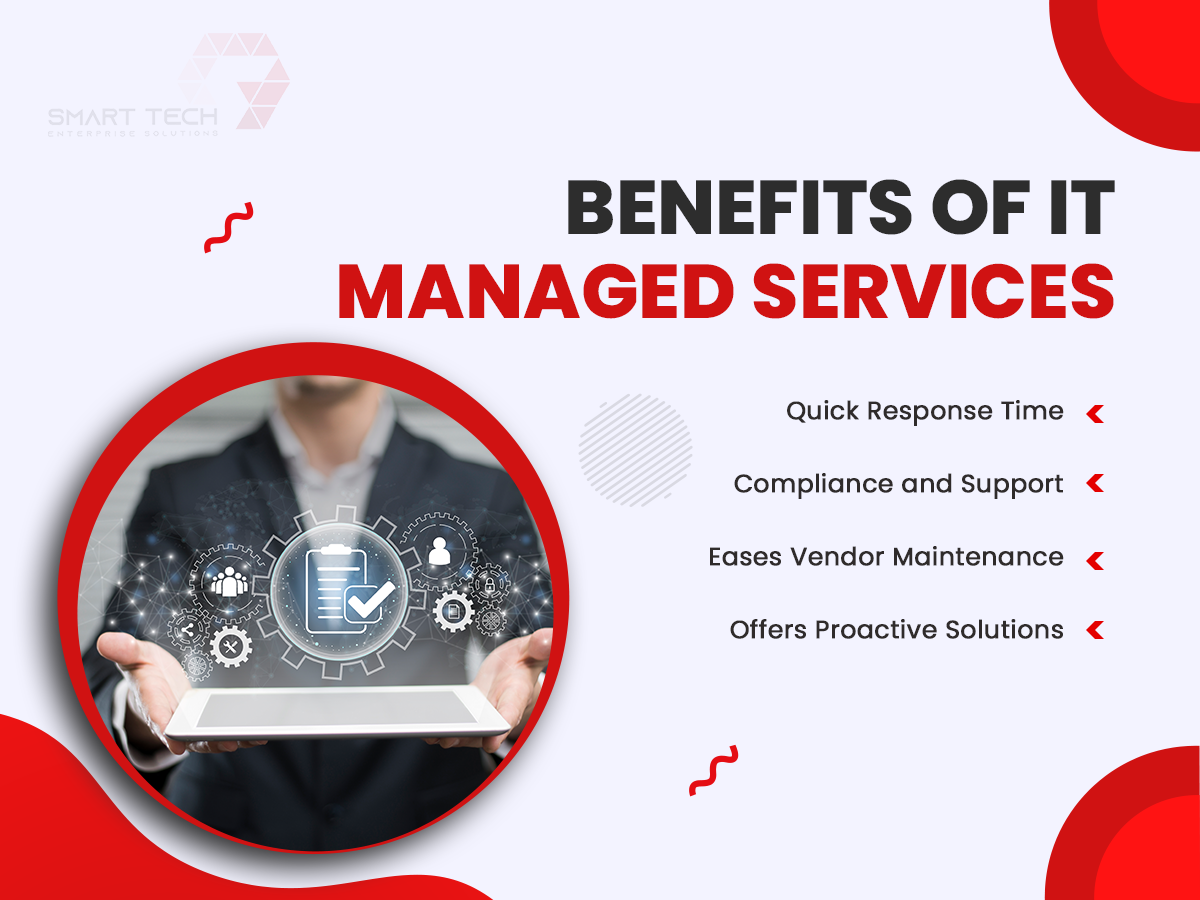
The benefits of managed IT services involve the dedication, expertise and industry knowledge of an entire IT Department focused on delivering your core business. It lets you focus on core competencies to grow your business. At the same time, a managed service provider can help with the day-to-day tasks associated with more time-consuming and complex projects such as cloud disaster recovery plans, computer systems and asset management end-user support, data centre solutions and cyber security.
In today's business world, employees cannot be held back by downtime or technical difficulties. Help is always available with a support provider close by. During high-traffic times, you must need 24/7 and 365 days of support to ensure your team is always productive.
Companies must meet strict standards and requirements to integrate them into their IT plans. MSPs can ensure that all your systems comply with the necessary regulations to avoid any risk in the future. Ensure that your business meets all PCI Security Standards. PCI compliance includes:
Managed service providers serve software and hardware vendors. We know that maintaining a vendor list for each IT-related entity is a daunting task. So, the good news is that businesses never have to engage in complex technical negotiations and get the best price on equipment on the market.
A managed service provider can give access to top-notch IT administrators with specialised skills without finding and hiring them. In addition, expert training and support will be readily available for employees/users/staff looking to be more productive on the systems.
Managed service providers help in preventing problems with proactive monitoring and troubleshooting. They respond quickly and ensure business flow with minimal downtime.
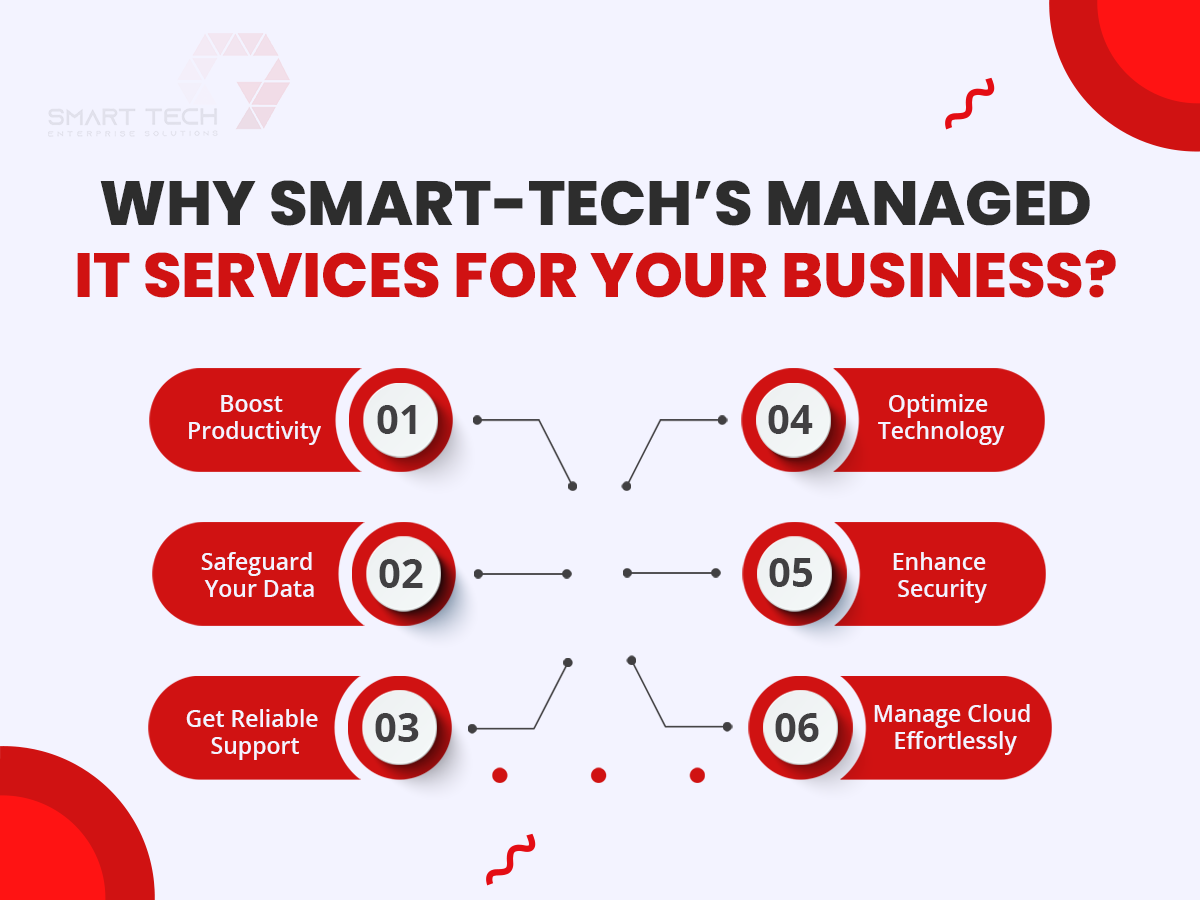
Using today's state-of-the-art technology, managed IT services can keep you competitive while saving you time, money, and resources spent managing day-to-day IT operations. You can get a lot from working with a reliable hosting provider, including access to affordable technical support, streamlined operations and optimised payment. The most common types of managed IT services are discussed below:
IT consulting can have many benefits for your business. Managed service providers can improve collaboration, improve productivity and increase your company's profitability with strategic guidance and goal setting. They can also help keep your systems compliant with industry-specific regulations while providing network maintenance and consulting to maximise your resources.
As critical components of an IT infrastructure, Data backup and disaster recovery services safeguard businesses from losing critical data and minimise disruption in a major incident. Backup testing prevents data loss and ensures your systems are secured.
IT helpdesk professionals can often offer timely remote assistance if the problem is too complex to resolve in-house or if the outage occurs outside of normal hours.
A trusted MSP like Smart-tech proactively monitors system performance to identify potential issues before they cause a crash, and they help keep you informed of any updates that might affect the efficiency of your company's operating system. An experienced MSP has all the bases covered for technology procurement, monitoring and management, from finding cost-effective solutions to customising and implementing the best solution for your needs.
A managed service provider can be invaluable in helping you to opt for the right type of digital cybersecurity service for your organisation. Managed web security is a powerful tool that can help protect your most sensitive data from cyber-attacks.
Manage your data servers and networks with a managed cloud like Azure that offers advanced security protocols and automatic file backup to keep all your important documents, customer information, and more. Cloud management and monitoring includes real-time monitoring, security compliance, and access control of cloud applications across various enterprise mobile devices and computers. You can also continuously review architectural changes to understand short-term goals for efficiency improvements and long-term strategies to improve cloud infrastructure scalability and cost savings with IT support services.
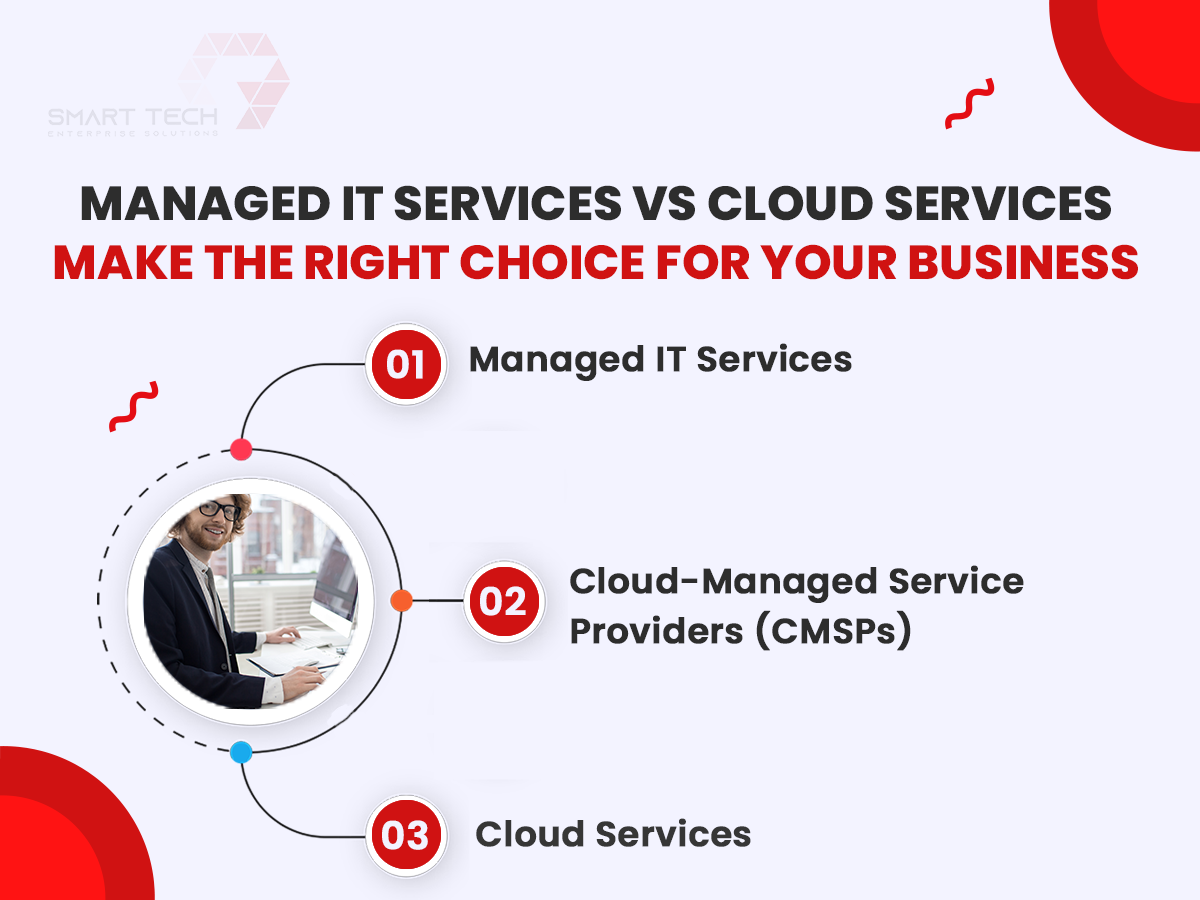
Managed IT services provide robust network, application, infrastructure and security services for enterprise deployments. MSPs can be categorised as pure MSPs focusing on a single supplier or technology or multi-vendor MSPs, including services from other suppliers. They actively maintain and control customer services, whether on-site, in their own or third-party data centres. Infrastructure as a Service, Software as a Service and Platform as a Service are the software models offered by cloud service providers. Depending on the customer's requirements, CSP provides services using public cloud infrastructure or hybrid/private models. Cloud service providers include companies that provide on-demand services to meet the cloud computing needs of various businesses. These services are provided using the CSP cloud infrastructure and require an internet connection. A cloud-managed service provider also specialises in helping businesses manage their existing cloud infrastructure. While CSPs typically perform this task, cloud-managed service providers can provide additional benefits such as increased control, visibility, and ready-made cloud solutions or services. Managed service provider cloud services involve outsourcing IT management and support to a third-party service provider operating in a cloud-based environment. It allows companies to improve scalability and reduces IT costs.
Project-based managed IT services are a specific delivery model focusing on delivering IT services for specific projects or initiatives. This approach is often used for businesses or organisations with one-time or periodic IT needs requiring specialised skills or expertise. Examples of project-based managed IT services include network infrastructure upgrades, software implementation projects, or cybersecurity assessments and remediation.
A managed service provider handles every updating and maintenance task. Businesses need MSPs because they invalidate risks. Also, MSPs allow steady network monitoring.
Managed services are ongoing support provided by an IT service provider for a fixed fee. The services include proactive monitoring and maintenance to keep IT systems operating at peak performance.